The Caudify Journal13 essays · AI · Security · Engineering · Architecture · Design
Notes on building software well.
What we've learned shipping products across engineering, architecture, AI and design, written by the people doing the work.
More essays
- AI SEO explained: how to get cited in Google AI Overviews, ChatGPT and PerplexityAI search still runs on a search index. Here is how Google AI Overviews, ChatGPT search and Perplexity pick their sources, what Google says you do and don't need, and a checklist to make your site easy to cite.
- How to secure AI-generated code: a practical review checklistAI assistants write code that runs far more reliably than code that is safe. Here is what the research shows, where the flaws cluster, and the checks to run on every pull request.
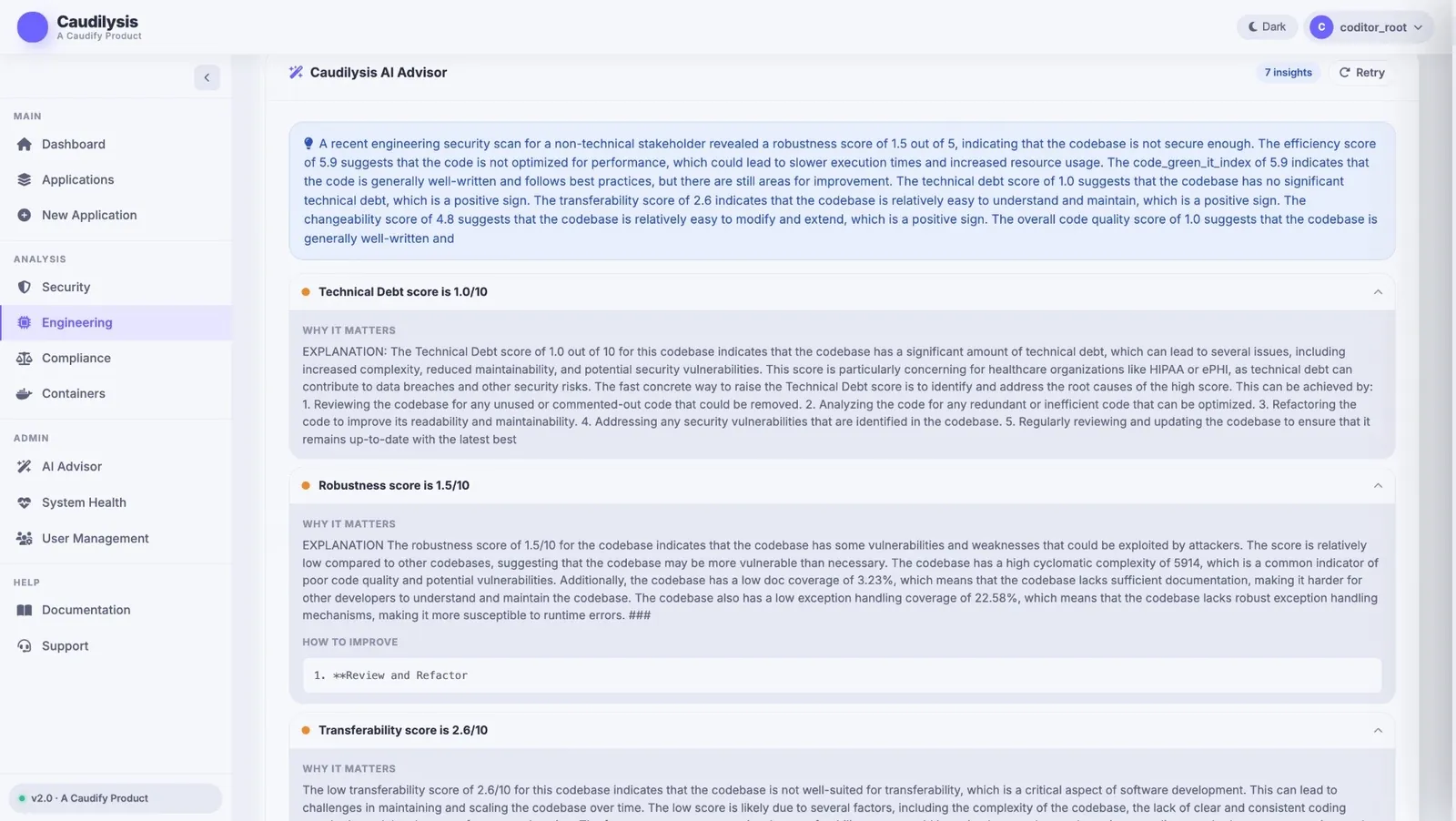
- AI CRM vs AI SDR: what a startup actually needs to win new clientsAn AI SDR fills the top of the funnel. An AI CRM runs the whole funnel. Here is how they differ, the email rules both must follow, and how to choose without burning your domain.
- AI app development: a buyer's guide from prototype to productionMost AI apps that stall do so between a convincing demo and a product people rely on. Here is what makes AI apps different, how to scope one, and what has to be true before it ships.
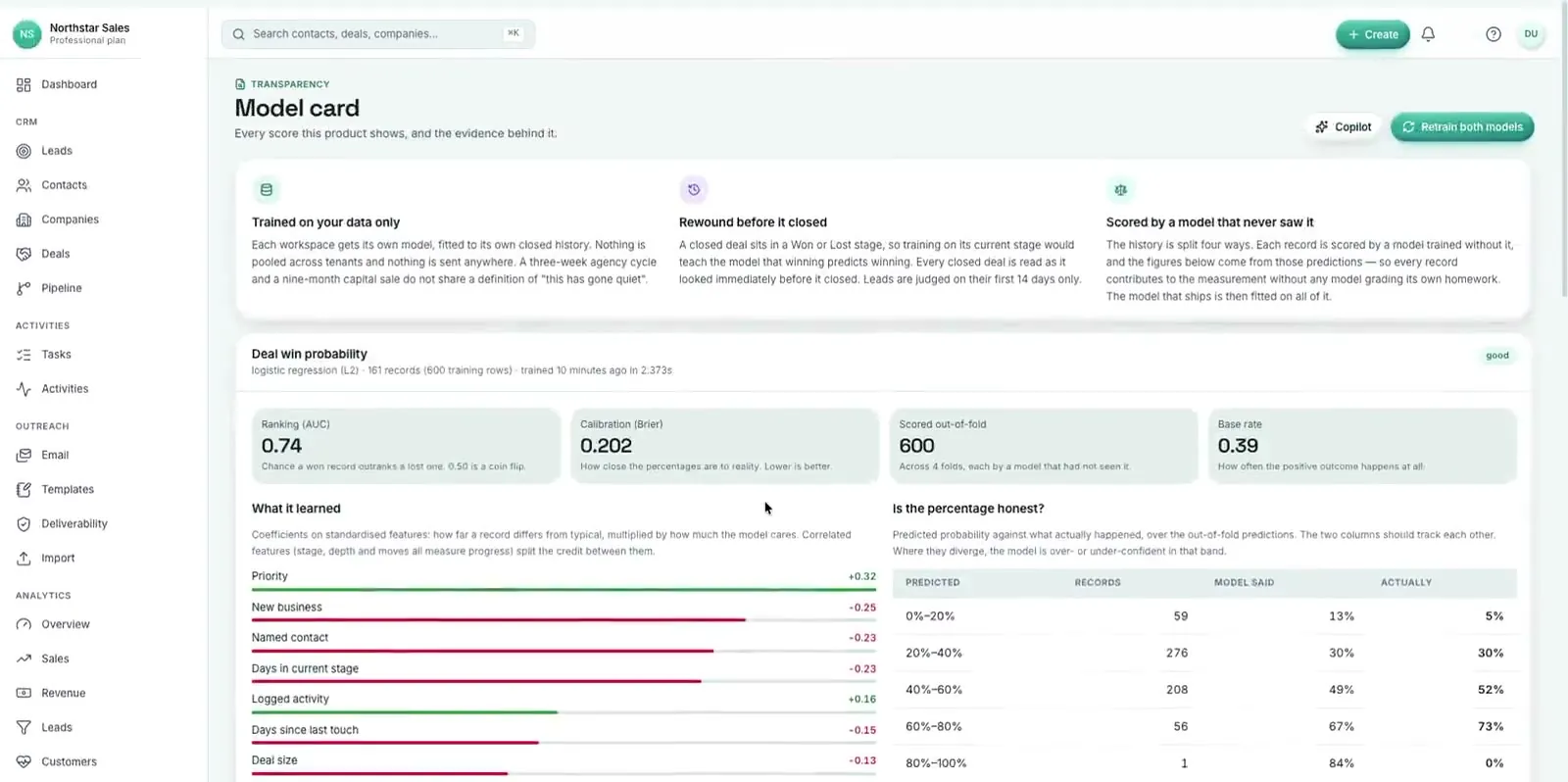
- How much does it cost to build a SaaS product in 2026?Published estimates range from about $15,000 for a lean MVP to $300,000 or more for an enterprise platform. What actually drives the number, and how to spend less of it.
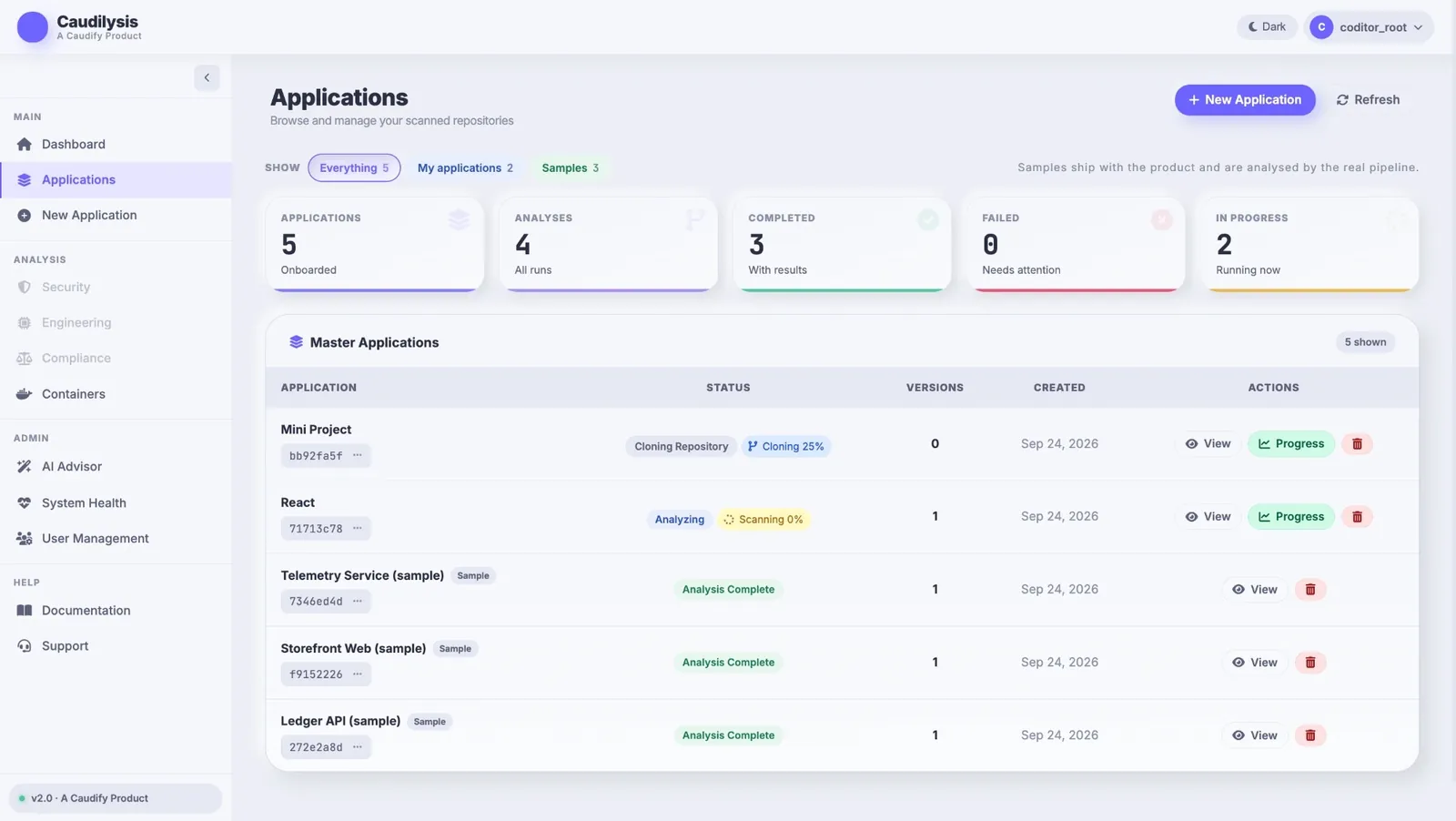
- AI agents vs chatbots vs workflow automation: which one does your business need?Chatbots talk, workflow automation follows fixed steps, and AI agents pursue goals. A plain English guide to the difference, and a simple way to choose.
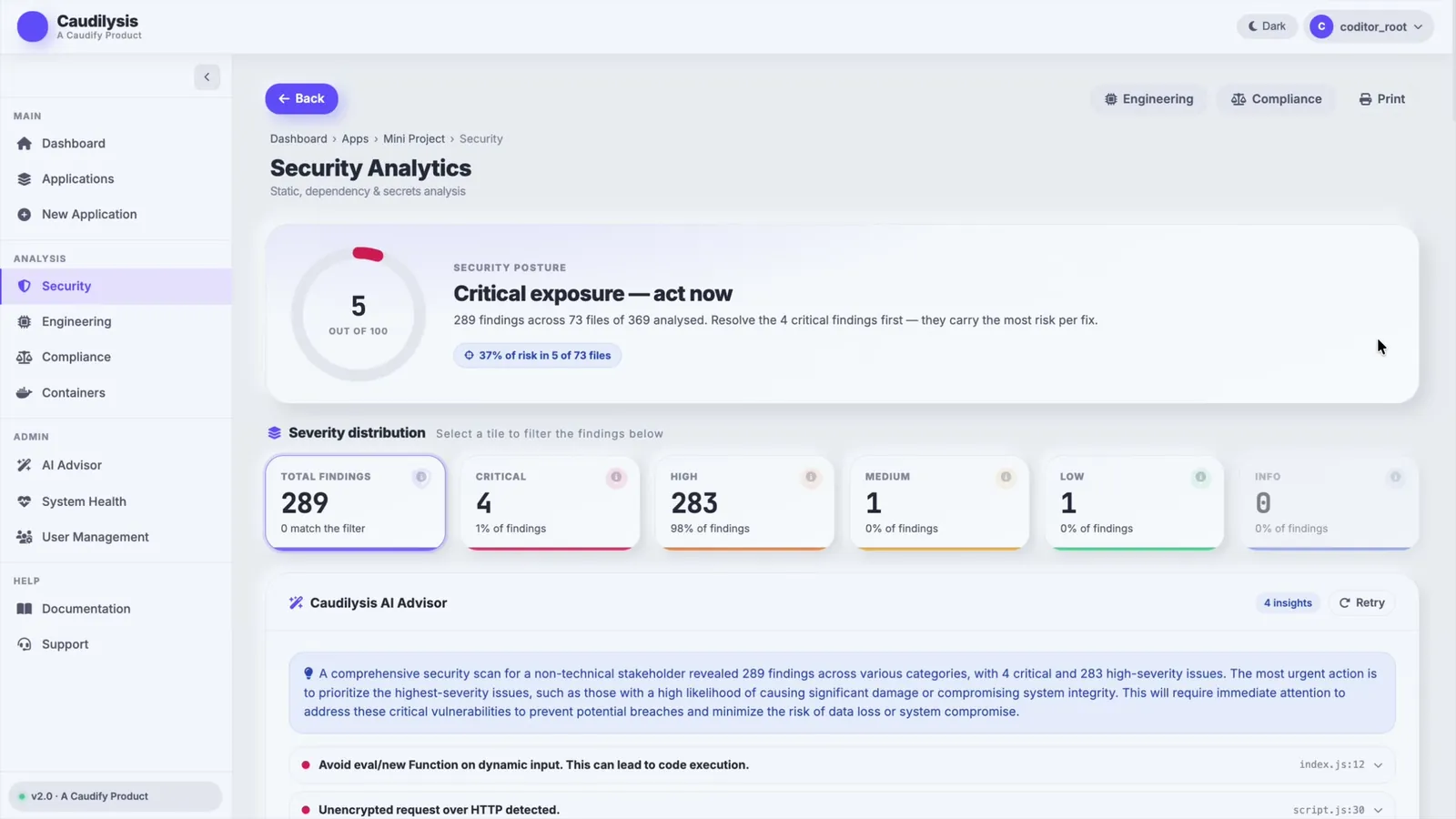
- Static code analysis vs code review: what SAST catches, what it misses, and how to use bothStatic analysis reads every line, every time, and never gets tired. Human review understands intent. Neither replaces the other, and here is how to split the work.
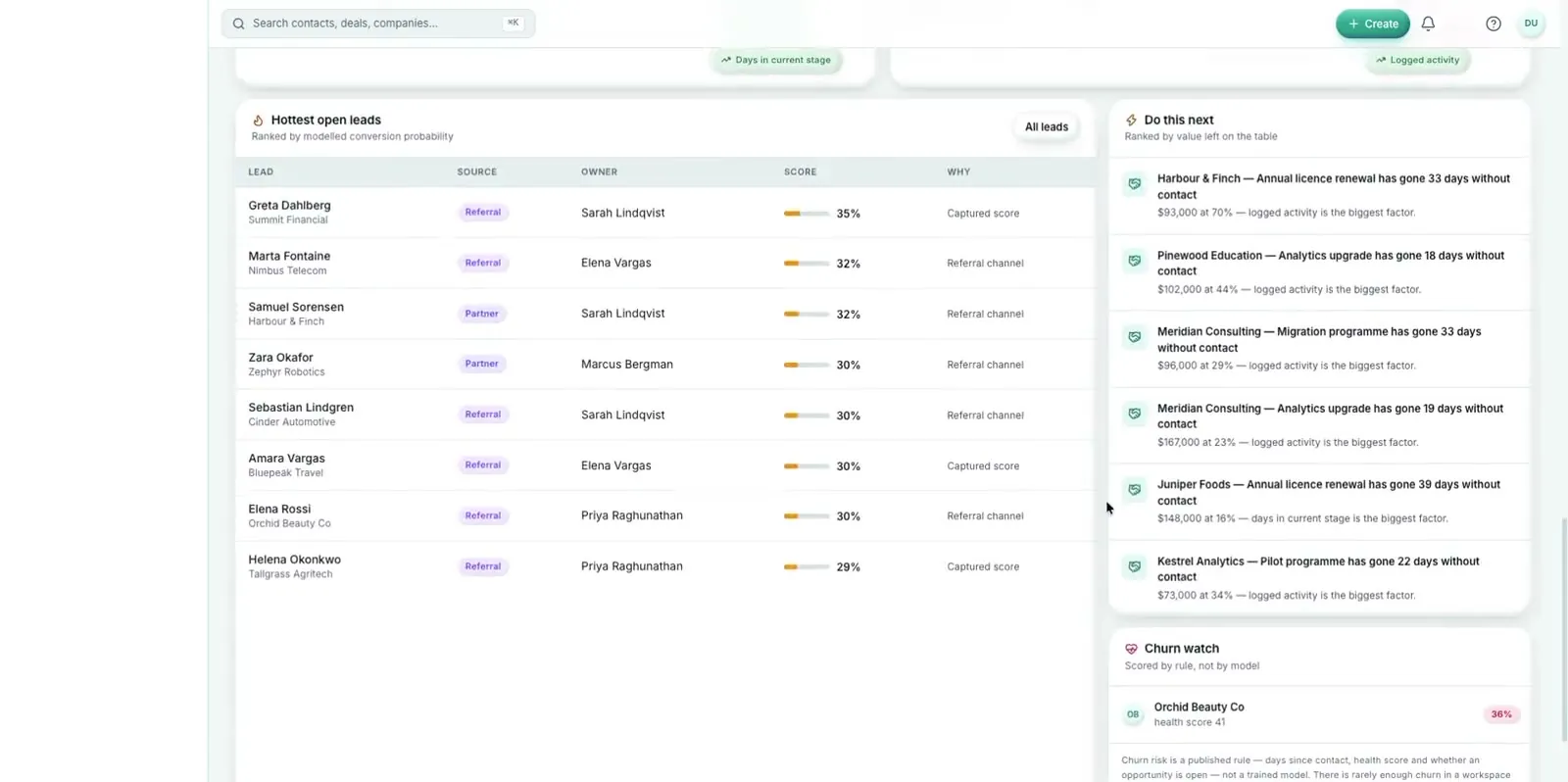
- AI CRM for B2B lead generation: how it works and what to look forAn AI CRM finds and qualifies leads, personalises outreach and tells you which deals to work next. How it works, what to check before you buy, and how to start small.
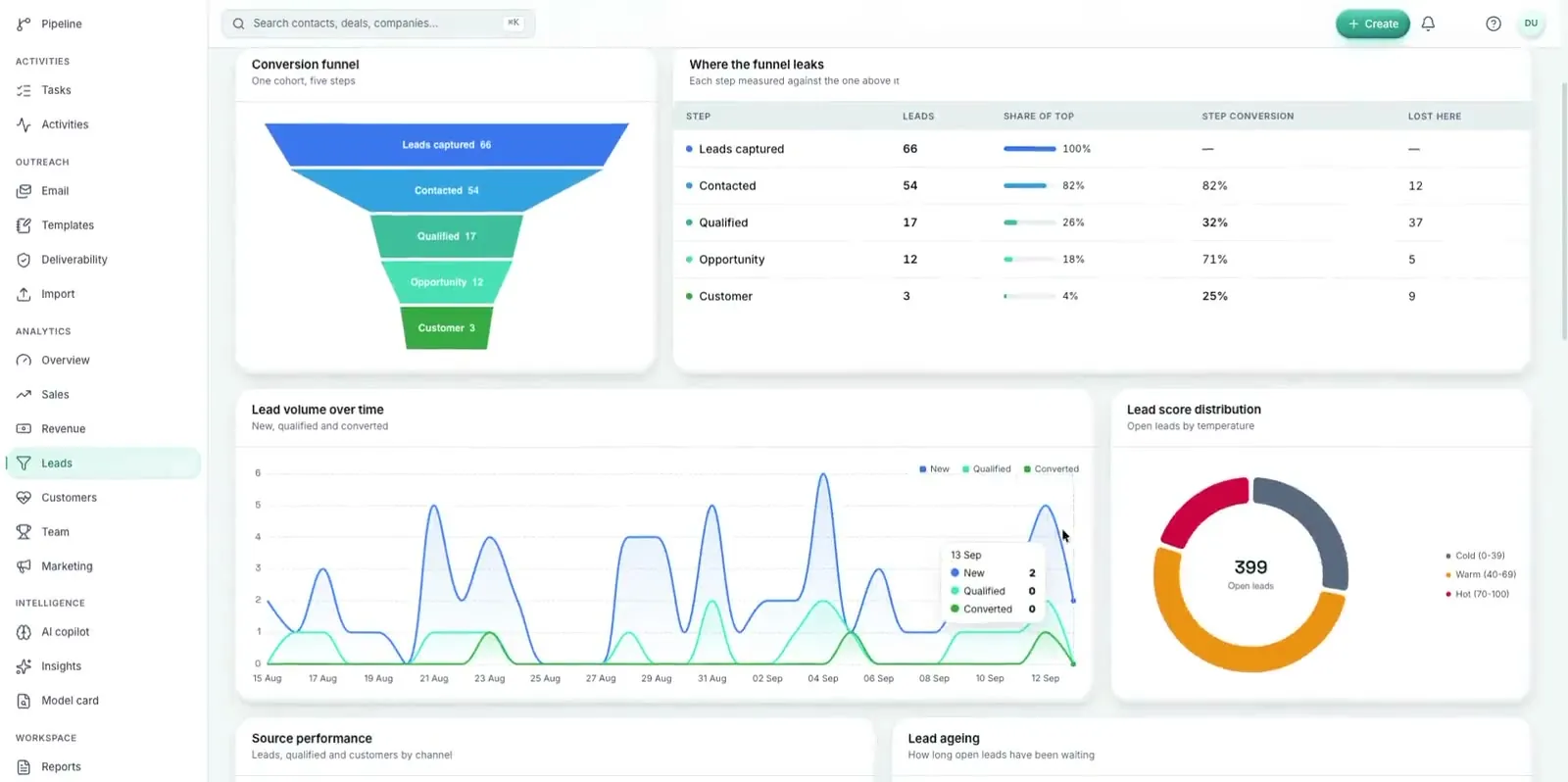
- Why shipping beats perfect: how to ship software fast without breaking thingsSpeed and quality are not opposites. Small batches, feature flags and boring rollbacks let a team ship every day without leaving a mess for future you.
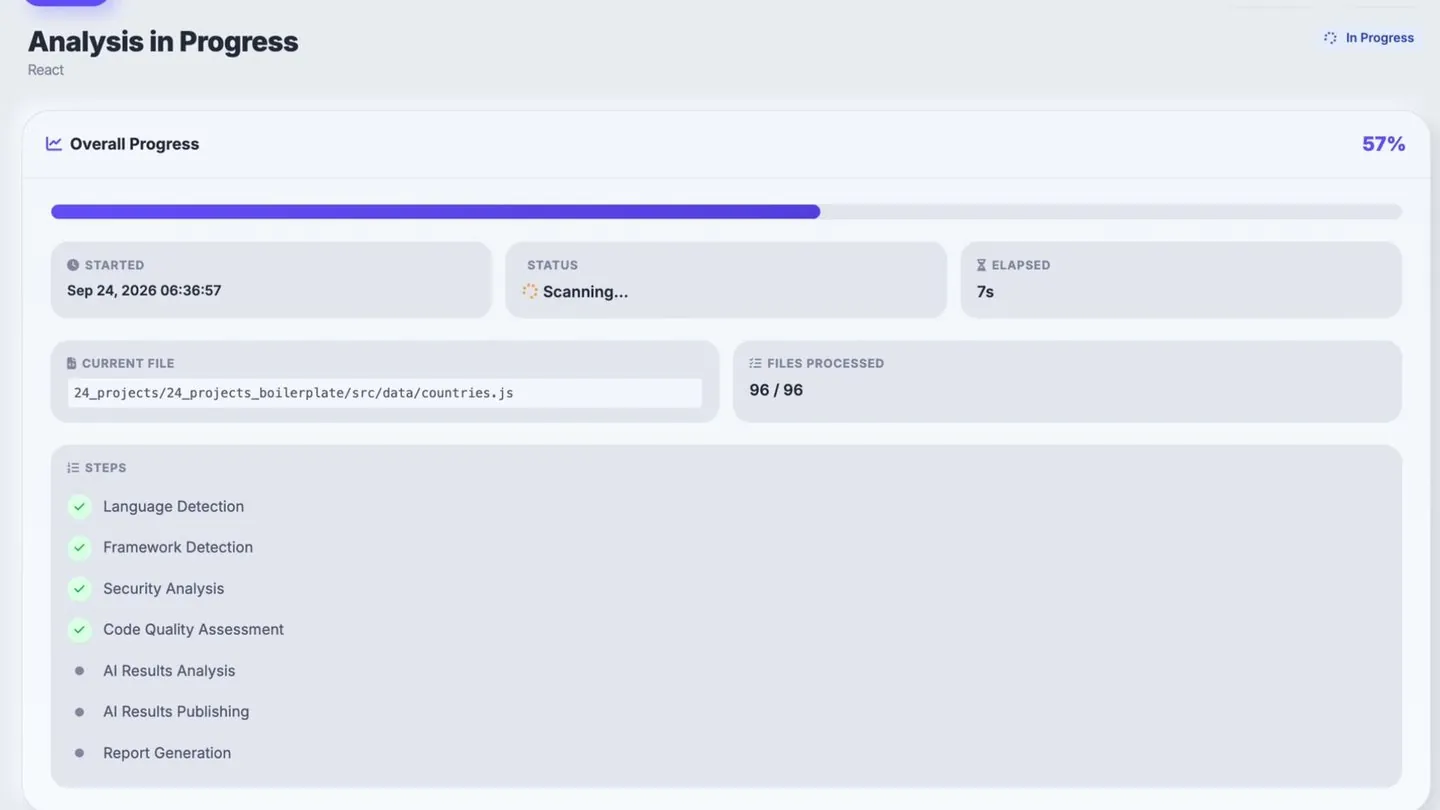
- How to choose a tech stack for a SaaS product, and why boring technology winsNovelty has a cost that shows up months later. A practical framework for choosing a SaaS tech stack, and for spending your innovation budget where it matters.
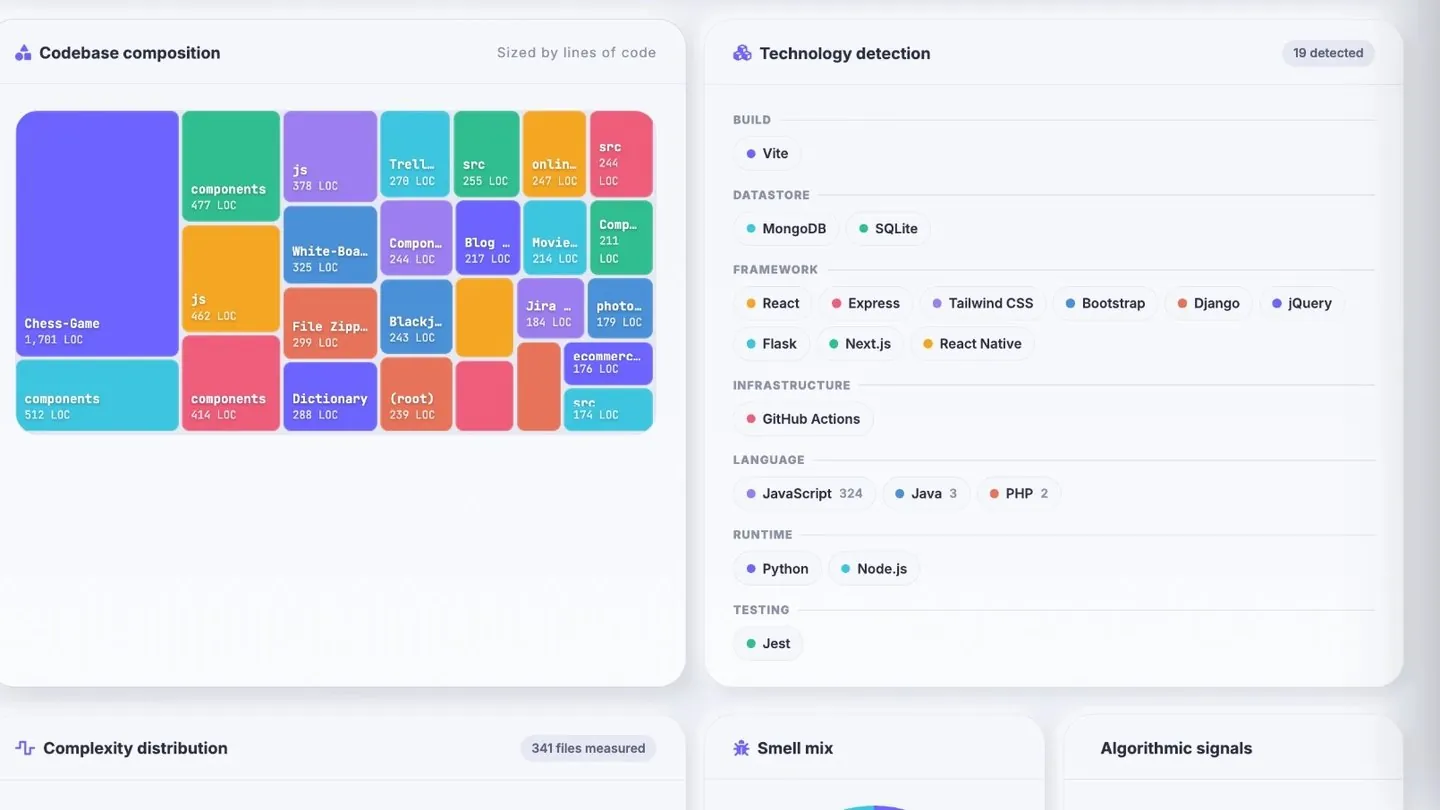
- AI features that survive production: how to evaluate LLM applications with evals, guardrails and monitoringDemos are easy. Reliable language model features are a discipline. How to evaluate LLM applications before launch, guard them in production and keep them honest.
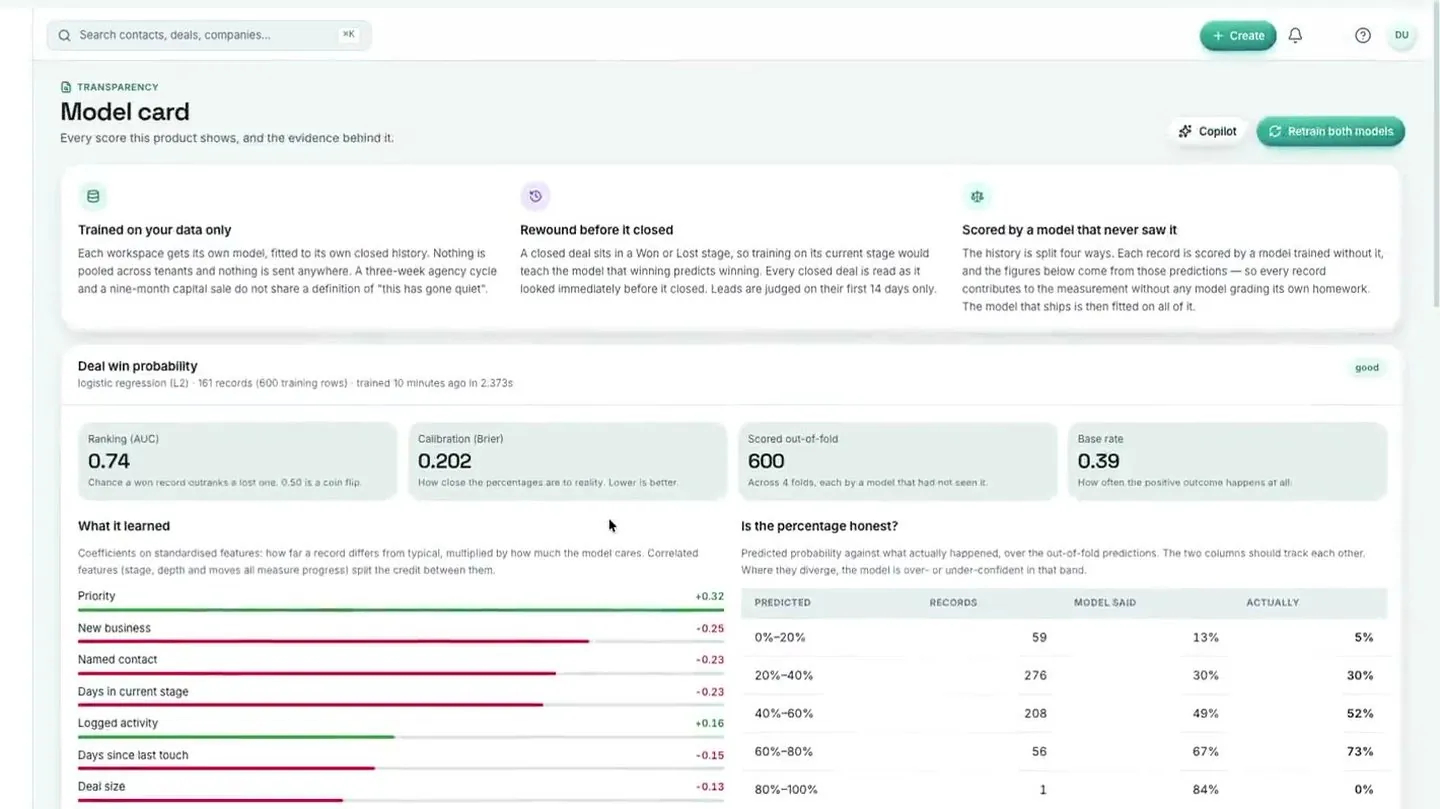
- How to build a design system that scales with the team, not against itA design system is a product with users. Treat it like one, starting from tokens, and it earns its keep. A step by step guide to building one that lasts.
From the studio
Rather talk than read?
Book a free assessment and get our point of view on your product, directly from the people who write these essays.