Short answer: published 2026 estimates put a simple SaaS MVP at roughly $15,000 to $80,000, a mid sized product at roughly $50,000 to $300,000, and a complex, compliance heavy platform at $150,000 and up. The range is wide because "a SaaS product" can mean a single workflow tool or a multi tenant platform with enterprise SSO, usage based billing and audit logs. This guide explains what moves the number and how to keep it under control.
- The biggest cost driver is scope, followed by team location and seniority.
- SaaS specific foundations (tenancy, auth, billing, admin) cost money before your first unique feature.
- AI features, integrations and compliance requirements each add meaningfully to the budget.
- Budget for running costs after launch: hosting, monitoring, maintenance and support.
- A tightly scoped MVP that proves one workflow is the cheapest way to learn what to build next.
SaaS development cost ranges in 2026
There is no official price list, so the most useful reference points are published agency estimates. They vary, and most come from firms that sell the work, so treat them as planning ranges rather than quotes:
| Source | MVP | Mid sized product | Complex / enterprise |
|---|---|---|---|
| Guru TechnoLabs | $15k–$50k | $50k–$150k | $150k–$400k+ |
| Cleveroad | $25k–$50k | $50k–$150k | $150k–$300k+ |
| Allstars IT | $25k–$80k | $80k–$300k | $300k+ |
| Promatics | $30k–$60k | — | $300k–$500k+ |
The overlap tells you something: the same "MVP" label can cost three times as much depending on what is included and who builds it. The rest of this article is about those two variables.
What drives the cost of a SaaS product
1. Scope and complexity
Every user role, workflow, screen and report adds design, build and test time. The fastest way to cut cost is to cut scope: launch with the one workflow that proves people will pay, and leave the rest for version two.
2. SaaS foundations
Unlike a simple web app, a SaaS product needs plumbing before its first unique feature: tenant isolation, sign in and permissions, subscription billing, an admin console and product analytics. These are well understood problems, but they are real work. Building them on proven components, such as Stripe for billing and a mature authentication library, is much cheaper than building from scratch.
3. Integrations
Each integration with a CRM, ERP, payment provider, identity provider or data warehouse adds work for authentication, data mapping, error handling and testing. Integrations with poorly documented APIs cost far more than those with good SDKs.
4. AI features
AI powered features add model selection, prompt and retrieval design, evaluation suites, guardrails and inference costs that grow with usage. They are worth it when they are the product's core value, but plan for the evaluation work, not just the demo. We cover that in how to evaluate LLM features in production.
5. Security and compliance
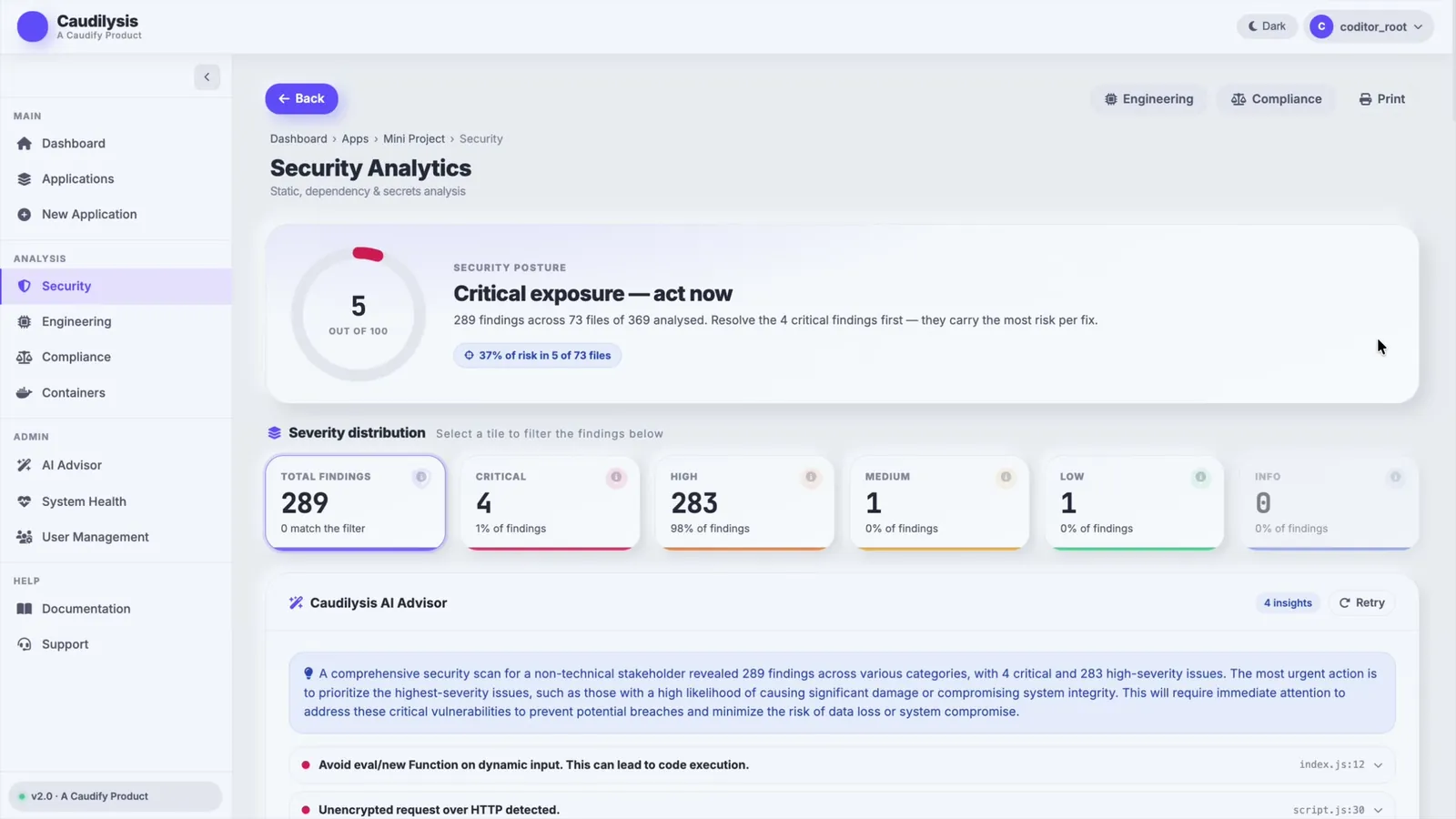
Selling to enterprises brings questions about SSO, audit logs, data residency, penetration testing and frameworks such as SOC 2 or ISO 27001. Designing for these from the start is far cheaper than retrofitting them. Continuous code scanning, for example with Caudilysis, keeps security and compliance evidence current as the code changes.
6. Team location and model
Rates vary widely by region and seniority. A cheaper hourly rate does not always mean a cheaper product: a senior team that makes good architecture decisions early often costs less overall than a junior team that needs a rewrite in year two.
Where the budget goes: a typical breakdown
Proportions vary by product, but a typical SaaS build spends its budget across these phases. Our own indicative plan for a SaaS product follows the same shape, over roughly twelve weeks for a focused first release:
| Phase | What happens | Indicative timing |
|---|---|---|
| Blueprint | Tenancy model, pricing model and core workflows defined | Weeks 1–2 |
| Foundations | Auth, tenancy, billing and admin console | Weeks 3–6 |
| Core product | The differentiating features users pay for | Weeks 5–10 |
| Launch ready | Onboarding, metrics, performance and security hardening | Weeks 10–12 |
Timelines overlap on purpose: foundations and core features are built in parallel once the blueprint is settled.
The costs after launch
Many budgets stop at launch. The product does not. Plan for ongoing costs every month:
- Hosting and infrastructure: compute, databases, storage, bandwidth and backups.
- Third party services: email delivery, monitoring, error tracking, AI model usage.
- Maintenance: dependency and security updates, bug fixes and platform upgrades.
- Support and iteration: answering customers and shipping improvements they ask for.
Published guides put running costs for a live product anywhere from a few hundred to several thousand dollars a month, depending on usage and the size of the team maintaining it.
How to reduce SaaS development cost without cutting corners
- Scope a real MVP. One workflow, one user type, one pricing plan.
- Buy the commodity parts. Billing, auth, email and analytics are solved problems.
- Choose a boring stack. Proven tools are cheaper to build, run and hire for. See how to choose a tech stack for a SaaS product.
- Design for multi tenancy early. Retrofitting tenant isolation is one of the most expensive rewrites.
- Ship weekly. Short feedback loops stop you building features nobody uses.
Fixed price, time and materials, or a monthly product team?
| Model | Best when | Watch out for |
|---|---|---|
| Fixed price | Scope is small and well defined | Change requests and padded estimates |
| Time and materials | Scope will evolve as you learn | Needs active product ownership |
| Product as a Service | You want one team to build, host and improve the product | Agree SLAs and ownership terms up front |
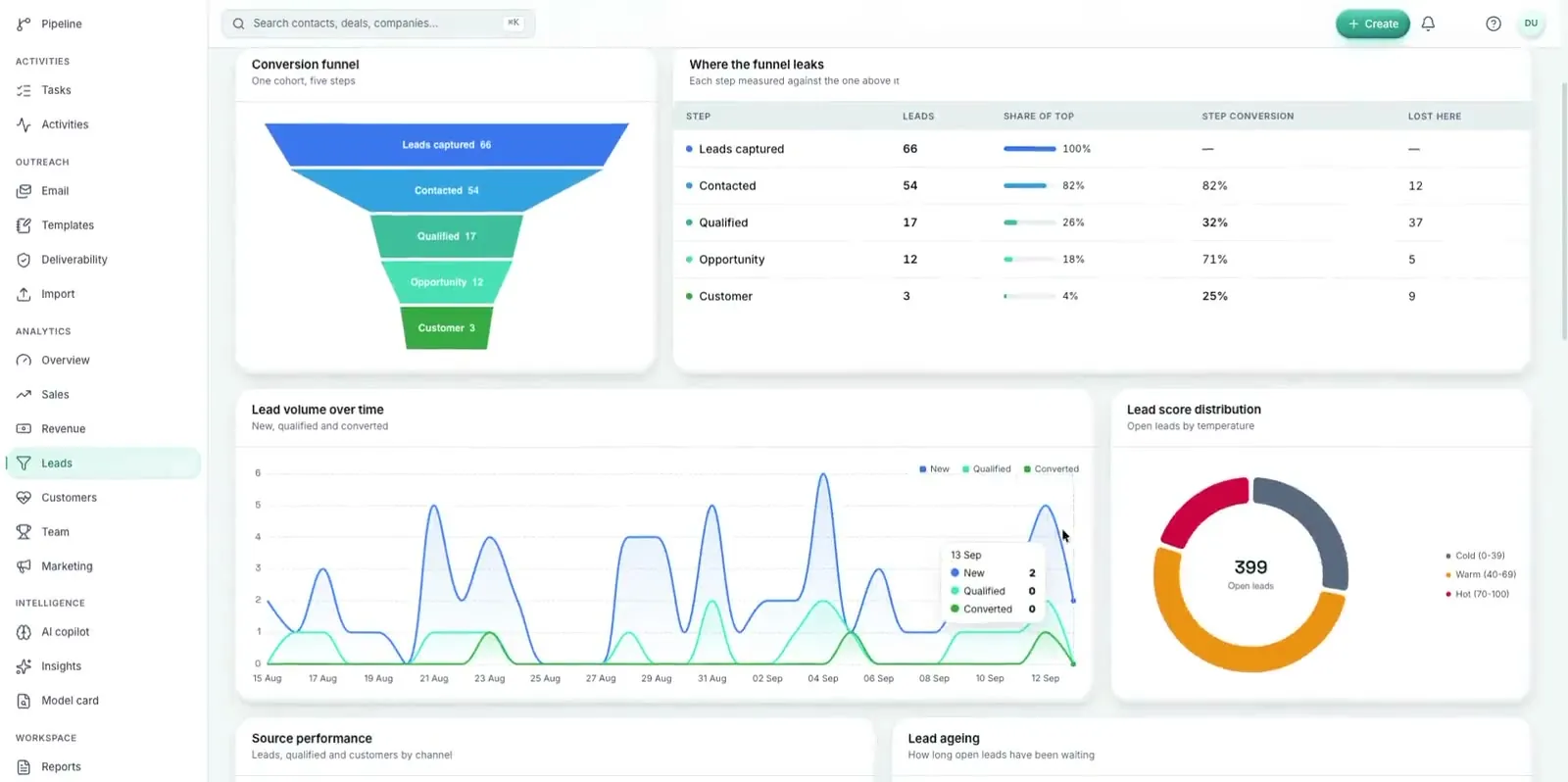
Our Product as a Service model is the third option: Caudify designs, builds, hosts and keeps improving the product as a predictable monthly service. It is how we run our own Caudify CRMS.
Frequently asked questions
How much does a SaaS MVP cost?
Published 2026 estimates for a SaaS MVP mostly fall between about $15,000 and $80,000, depending on scope, integrations and who builds it. A narrow MVP that proves one workflow for one type of user sits at the lower end. Adding SSO, complex billing, AI features or compliance requirements moves it up quickly.
How long does it take to build a SaaS product?
A focused first release commonly takes around two to four months. Our own indicative SaaS plan runs about twelve weeks across blueprint, foundations, core product and launch readiness. Larger platforms with many roles, integrations or regulatory requirements take longer, which is why scoping the first release tightly matters so much.
What are the ongoing costs of running a SaaS product?
Expect monthly costs for hosting and databases, third party services such as email delivery and monitoring, AI model usage if relevant, and maintenance: security updates, bug fixes and dependency upgrades. Published guides put these anywhere from a few hundred to several thousand dollars a month, rising with usage and team size.
Get an estimate for your product
The only accurate number is one based on your scope. Our SaaS development team turns a short brief into a phased plan with a cost range, or you can start with a free assessment to see where your product idea or existing build stands.